Can you install an EV charger at your home in Sattva Ekatra?
Featured Image of Can you install an EV charger at your home in Sattva Ekatra?


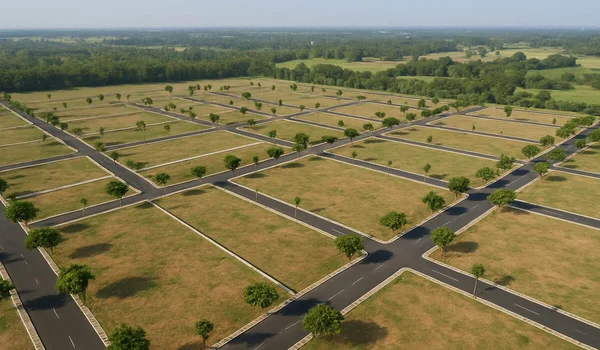
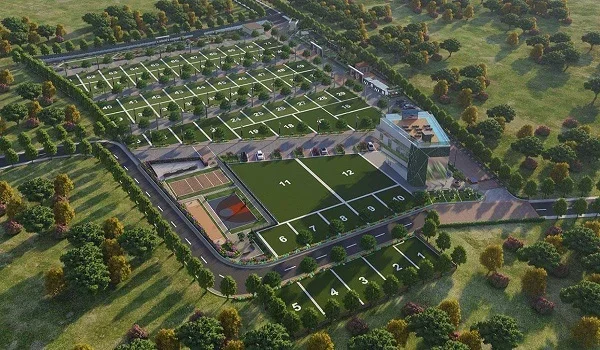
Yes, and a plotted layout makes it far easier than an apartment. You build an independent house, so you control your parking spot, wiring and meter board. Sattva Ekatra runs underground power cabling across the layout, fed by its own transformer and substation work. With the right sanctioned load from BESCOM, you can run a standard 7.4 kW wall charger at home.

This guide covers charger types, the load you need, BESCOM options, installation cost factors and shared charging points.


The short answer: yes, with the right load


Most EV owners in India charge at home overnight. A plot at Sattva Ekatra suits this well, since the charger sits in your own car porch. You avoid the society approvals and shared parking issues that apartment owners face.

Three things decide how well home charging works for you:

  • Charger type: A portable charger or a fixed wall unit.
  • Sanctioned load: The power BESCOM approves for your house connection.
  • Wiring: Proper cable size, earthing and safety breakers from your meter to the charger.

Plan all three at the house design stage, not after you move in. This keeps the cost low and avoids breaking walls later.

Charger types and the load they need


Home EV chargers come in two common sizes for cars. Electric two-wheelers usually charge from a normal 15 A socket.

Charger type Power Typical use Time to charge a 30 kWh battery
Portable charger About 3.3 kW Plugs into a 15 A socket, for light daily use About 9 to 10 hours
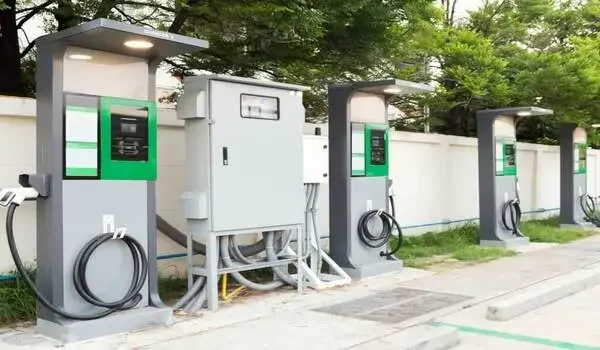
Wall-mounted AC charger About 7.2 to 7.4 kW Fixed unit for regular overnight charging About 4 to 5 hours
Two-wheeler charger Under 1 kW Scooters and bikes from a normal socket A few hours

Charging times above are rough estimates, since actual speed depends on the car and battery level. Many carmakers supply a wall charger with a new EV and arrange basic installation.

A standard home connection in Bengaluru often carries a sanctioned load of about 3 to 5 kW. A 7.4 kW charger running alongside your air conditioners and geyser can push you past that limit. So most owners of a fixed charger raise their sanctioned load or take a separate EV connection.

Sanctioned load per plot at Sattva Ekatra


BESCOM supplies power in Doddaballapura and approves the sanctioned load for each house. At Sattva Ekatra, the developer builds the layout's power backbone first. The RERA schedule lists power supply work, covering the transformer and substation, from April 2027 to October 2027.

Here is what the project infrastructure includes:

  • Underground power cabling: Cables run below the roads to every plot, with no overhead wires.
  • Transformer and substation: Dedicated power capacity for the layout.
  • LED and solar street lighting: Lower common-area power use.
  • Complete backup power: Listed among the project's infrastructure features.

The price sheet also lists local authority and power connection charges of about Rs 150 per sq ft. Ask the sales team for the planned load per plot. Your architect can then design your meter board for an EV from day one. You can read more on the Sattva Ekatra specifications page.

BESCOM options for home EV charging


The Karnataka Electricity Regulatory Commission allows home EV owners three routes. Each has its own cost and tariff impact.

  • Use your existing load: Charge on your house connection at the domestic tariff. This works for a 3.3 kW charger or two-wheelers.
  • Enhance your sanctioned load: Apply to BESCOM to raise the load on your house meter. You pay an added deposit and keep one bill.
  • Take a separate EV connection: Apply for a new connection under the EV charging tariff category. This gives you a separate meter and a dedicated EV tariff.

KERC rules also allow sub-meters, so EV units can be billed separately from household use. Check the latest EV tariff on the BESCOM website before you choose a route.

Cost to install a home EV charger


Your total cost depends on three parts. Planning them during construction keeps them as low as possible.

  • Charger hardware: Often bundled with a new EV, or bought separately from approved brands.

  • Wiring and safety: A dedicated cable from the meter board, proper earthing and an RCBO or RCCB breaker.

  • BESCOM charges: Security deposit and fees for load enhancement or a new EV meter.

If you add the charger after building, you may need to run new cable through finished walls. Ask your electrician to lay a conduit and spare circuit to the car porch during construction. This small step saves money later.

Common EV charging points in the layout


Shared charging points help visitors and residents without a home charger. Many new gated communities now plan a few common points near the clubhouse or visitor parking. Ask the sales team whether Sattva Ekatra plans common EV charging and where it will sit.

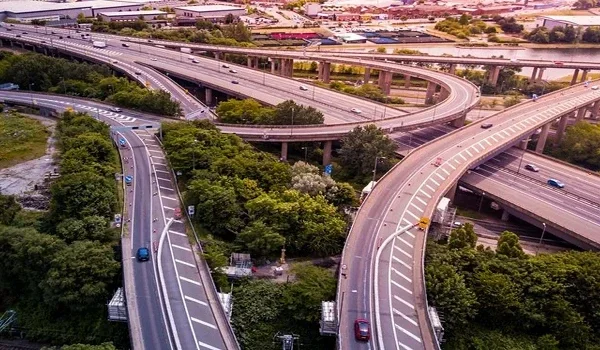
For longer trips, the layout sits about 300 m from the STRR (NH 648). BESCOM has been expanding public charging stations across Karnataka, including along highways. This gives you top-up options on drives toward the airport or the city.

Why EV readiness matters for plot buyers


EV adoption is growing fast across Bengaluru, and a home charger is quickly becoming a basic need. Building EV-ready wiring into your new house adds long-term value at almost no extra cost. It also makes your home more appealing if you sell or rent it later.

A plot at Sattva Ekatra gives you full control over parking and wiring. You can also plan rooftop solar to offset part of your charging cost. You can explore more home planning tips on the Sattva Ekatra amenities page.

FAQs


1. Can I install an EV charger at my Sattva Ekatra house?

Yes, you can install a home EV charger since you build an independent house on your plot. You need a suitable sanctioned load from BESCOM and safe wiring.

2. What load do I need for a 7.4 kW EV charger?

A 7.4 kW charger needs extra capacity on top of your household load. Most owners enhance their sanctioned load or take a separate EV connection from BESCOM.

3. Can I charge my EV from a normal plug point?

Yes, a 3.3 kW portable charger works from a 15 A socket. It charges slower, so it suits short daily drives.

4. Does BESCOM give a separate EV meter for homes?

Yes, KERC allows a separate connection under the EV charging tariff category. You can also charge on your existing connection or enhance its load.

5. Does Sattva Ekatra have underground power cabling?

Yes, the layout includes underground power cabling to every plot. The RERA schedule lists transformer and substation work from April to October 2027.

6. Will Sattva Ekatra have common EV charging points?

Ask the sales team about common charging plans during plot selection. Public charging along the STRR and nearby highways also helps on longer trips.

Sattva Ekatra Blog


Enquiry
Enquire Now